 LearnCenter
LearnCenter
LearnCenter
The foundation layer for understanding what today’s AI really is, how it thinks, and how humans can work with it calmly and clearly — before tools, workflows, or advanced use cases.

AI systems are now widely used, but many people still feel unsure about what they actually are. Some see AI as magic, others as a threat. In reality, modern AI is best understood as a powerful thinking partner — predictable, limited, and useful when approached correctly.
In the AI Fundamentals track, you will not try to master tools or chase trends. Instead, you will build a solid, honest foundation: a clear mental model of how modern AI systems work, what they can and cannot do, and how to interact with them in a way that feels natural and under control.
This foundation makes all future learning easier — whether you later explore prompt design, practical workplace use, or more advanced AI applications.

Understand modern AI without hype or fear — what models are, how data shapes them, and where their real limitations lie.

Learn how instructions guide AI behavior, why phrasing matters, and how small changes can significantly affect results.
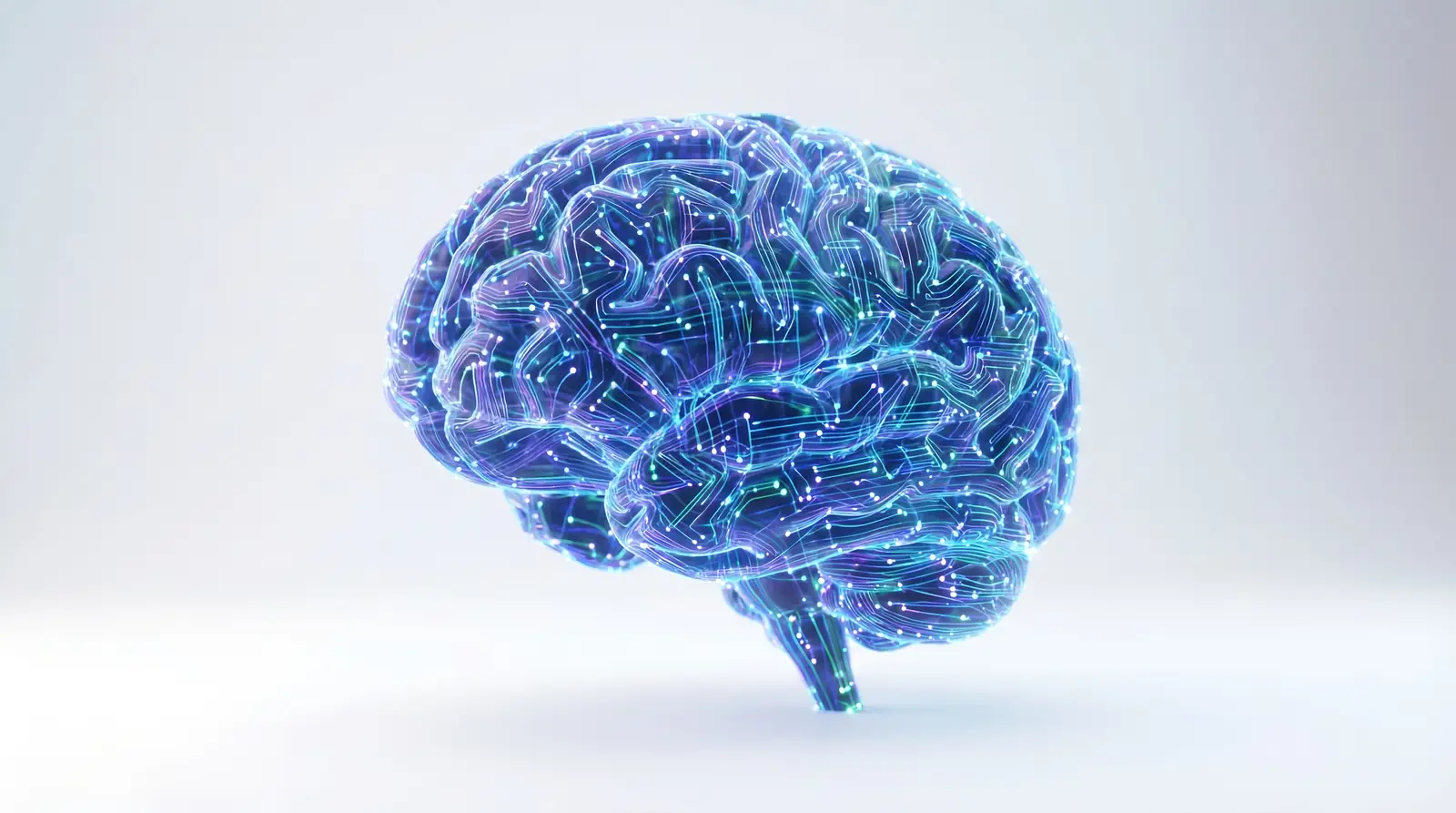
See how AI generates text, images, and responses — and how to interpret outputs with clarity instead of surprise.
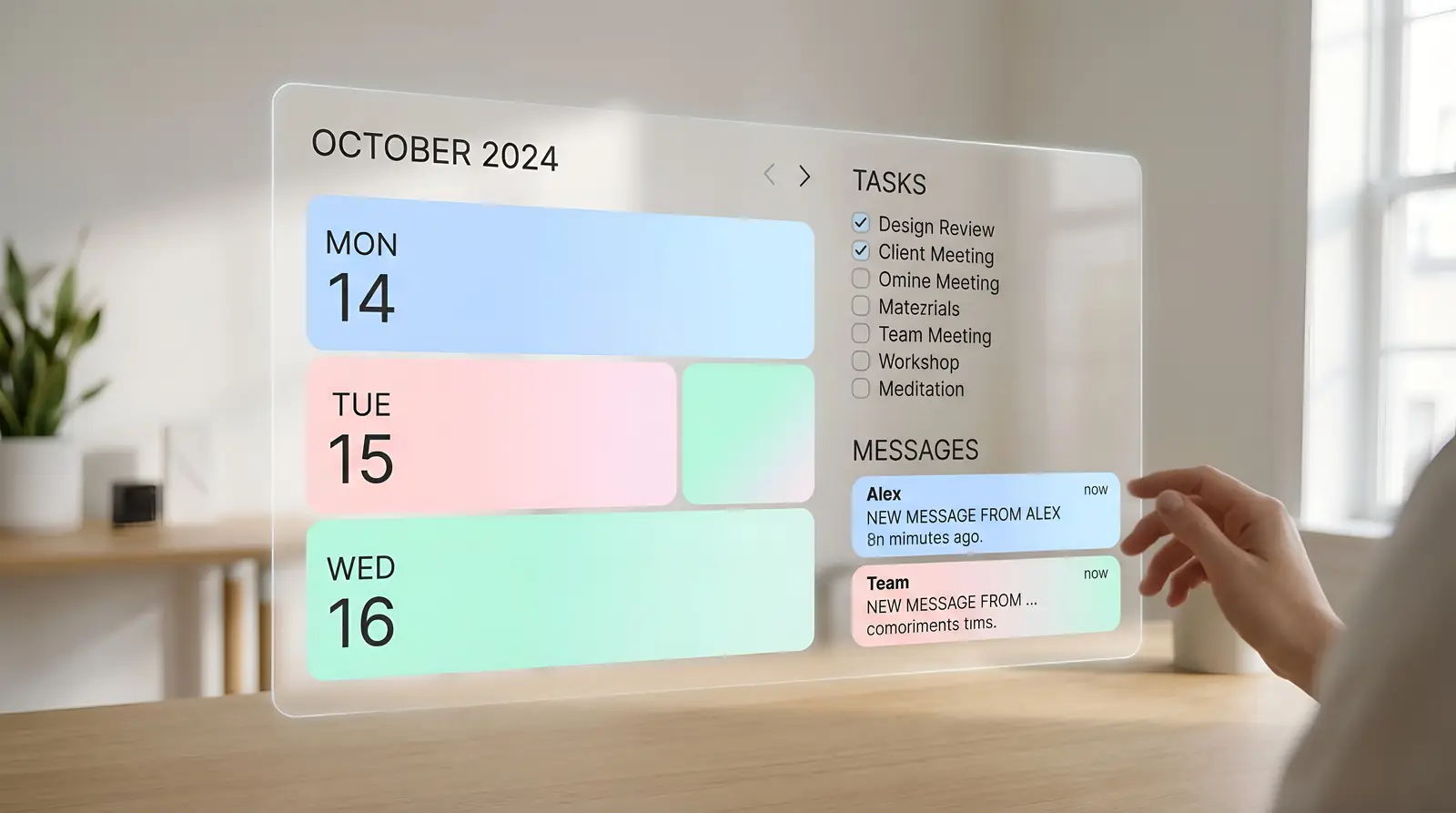
Explore how inputs, prompts, tools, and outputs connect conceptually — forming the basis of future workflows.

Written guides and summaries that support slow thinking, review, and long‑term understanding.

Occasional live discussions to reflect on changes in AI and connect concepts to real‑world situations.
AI Fundamentals is designed as the starting point for all other learning tracks in LearnCenter. It focuses on building understanding before skill, orientation before execution, and clarity before speed.
This track does not aim to make you productive immediately, nor does it teach specific tools or advanced techniques. Instead, it prepares the ground: once you understand how modern AI systems think, respond, and fail, later learning becomes more stable and less confusing.
When future courses are created under this category, they will follow this same principle — helping learners form correct mental models first, so that prompts, workflows, and real‑world use make sense rather than feel mechanical.